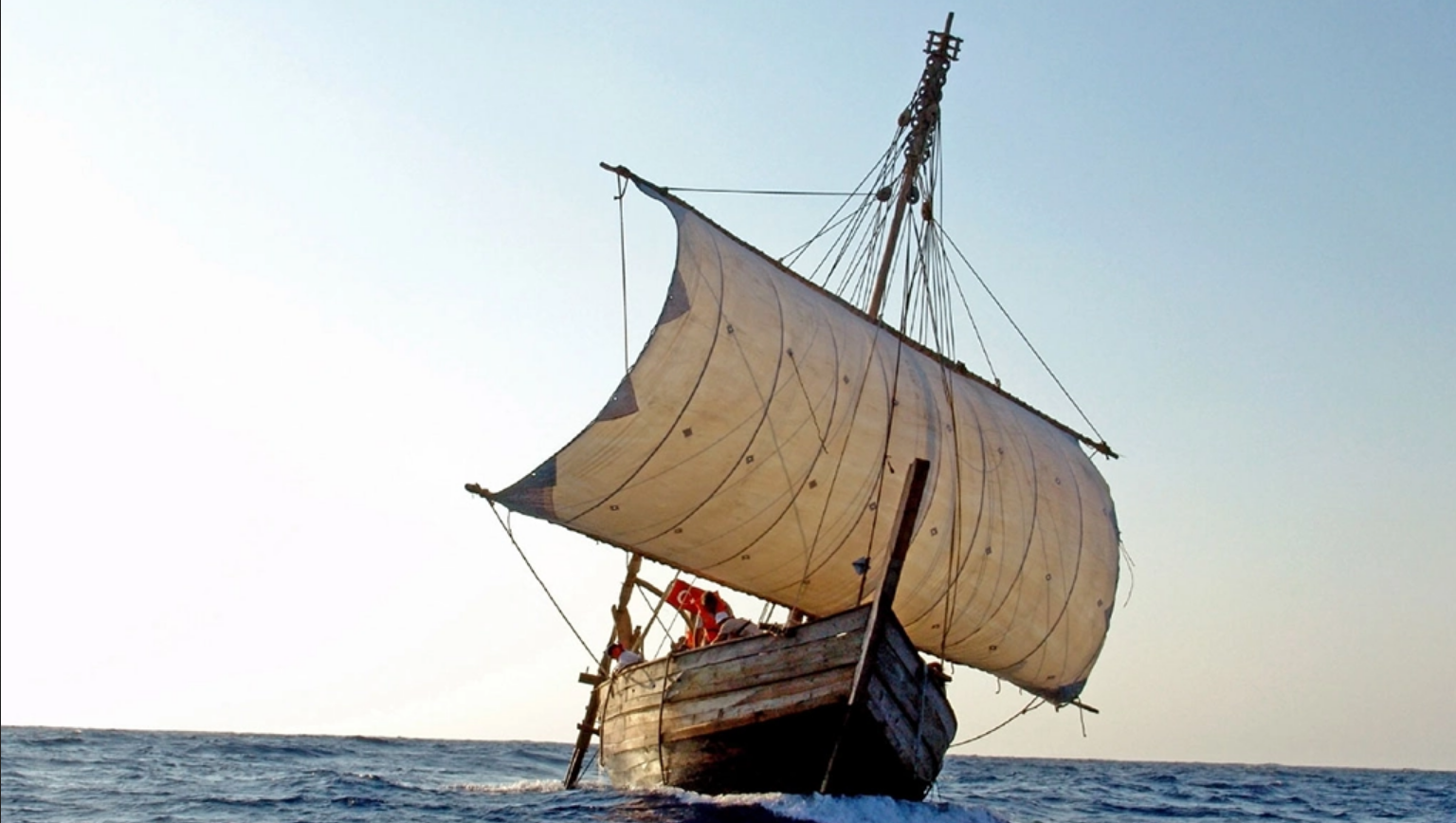
Following the collapse of the Bronze Age and its networks of international connections, various regions around the Mediterranean basin experienced a period of social, cultural, and political transformations that resulted in a truly globalized environment during the so-called Iron Age (ca. 1100 to 550 BCE). From the Iberian Peninsula to West Asia and Mesopotamia up to Egypt, the Aegean, and Italy, this was an era characterized by the rise and fall of new polities and empires, high connectivity, common trends, and a diversity of regional responses to them.
In this class we will look at material culture (buildings; objects; and written records) in its archaeological context around the whole Mediterranean basin to explore both the global and the local. We will investigate not only how art and architecture are a product of their social, political, and cultural environment, but also how people exercised their agency in an era of sweeping changes, travel, trade, and conflict.
In this class we will look at material culture (buildings; objects; and written records) in its archaeological context around the whole Mediterranean basin to explore both the global and the local. We will investigate not only how art and architecture are a product of their social, political, and cultural environment, but also how people exercised their agency in an era of sweeping changes, travel, trade, and conflict.
- Teacher: Kate Minniti